Do You want daily job updates ?

Do You want daily job updates ?
Click here and enter your mail id.
Showing posts with label Job Interview. Show all posts

Friday, 14 October 2016

The FDA is committed to improving patient access to safe and effective generic drugs. Generic drugs approved by the FDA have the same high-quality and strength as brand-name drugs. The generic manufacturing and packaging sites must pass the same quality standards as those of brand-name drugs.

Image result for pharma news
The most common side effects reported by people using oseltamivir phosphate in clinical trials included nausea and vomiting.

Patients must use oseltamivir phosphate as directed by their health care provider. Oseltamivir phosphate does not take the place of receiving a flu vaccination. Talk to your health care provider about when you should receive an annual flu vaccination.

Oseltamivir phosphate does not treat or prevent illness caused by infections other than the influenza virus, and oseltamivir phosphate does not prevent bacterial infections that may happen with the flu. The FDA does not know if oseltamivir phosphate is effective in people who start treatment after two days of developing symptoms, or have weakened immune systems.

Patients and health care providers may find more information on oseltamivir phosphate in the drug label.

source:https://www.drugs.com/news/fda-approves-first-version-widely-influenza-tamiflu-62221.html
It's a known fact that cells can move around the body, but how they do it has been unknown -- until now.

Image result for biotech news

Researcher in Infection Medicine Pontus Nordenfelt at Lund University in Sweden has managed to describe and visualize cell migration on a molecular level. In time, this could become significant in the treatment of infectious diseases, inflammation, cancer, etc. where cell migration plays an important role.
In his studies, Pontus Nordenfelt used T cells as models. The T cells are part of the immune system and must therefore be able to reach tissue which has been exposed to, for instance, a bacterial invasion.
To be able to move, the cell must attach itself to a surface and use its front to push to exert the force it needs. Meanwhile, the rear part of the cell must let go from the surface, allowing it to "roll" forward, so to speak.
Image result for how cell moves
"When moving, the cell converts chemical energy into mechanical force. This force can now be measured using the microscope tool I developed," says Pontus Nordenfelt, an engineer from the start, whose work benefited greatly from having this background.
Cell migration is enabled by three molecules working together. Integrins are molecules located on the cell surface that are able to attach themselves to other surfaces. Actin are small building blocks on the inside of the cell membrane, and collectively form the skeleton of the cell. Finally, the "adaptor" is a protein that links integrin and actin together.
"Once the adaptor has connected the integrins and actin, the mechanical force from actin gives the 'green light'. The integrin molecule then binds itself to a nearby partner surface, through which the cell can move slightly forward. Once the cell's migration is complete, the integrin and actin molecules separate from each other in this part of the cell, while another part of the cell becomes active," explains Pontus Nordenfelt.
The key to cell migration is that the integrin molecules become active in the appropriate part of the cell, and how this works has so far been unclear. The Lund researcher's study is published in Nature Communications.
The notion that cell migration would be based on activation of integrins through force from actin was suggested several years ago by prominent researcher Timothy Springer at Harvard, where Pontus Nordenfelt spent three years examining how integrins become active. Among other things, the work resulted in new microscopy techniques that have been used to test this hypothesis of how cell migration works.
The technique is based on fluorescent biosensors that are inserted into the cell, showing force changes in integrins through variations in colour. This allows you to see the process of cell migration through colour images, and measure the mechanical force acting on the integrins. This technique could enable the development of more targeted drugs to strengthen the body's immune system against infections, or prevent tumours from metastasising, etc.
As a researcher in Infection Medicine, Pontus Nordenfelt became interested in integrins, as this is a group of proteins used by the immune cells, which led to his studies of cell migration. With the help of his new tool, he now wants to continue with the study of phagocytes -- immune cells that "eat" invading bacteria.

source:https://www.sciencedaily.com/releases/2016/10/161010103625.htm

What Is Your Greatest Weakness?

What Is Your Greatest Strength?

Where Do You See Yourself in 5 Years?

What Do You Know About Us?

Tell Me About Yourself

Why Should We Hire You?

Why Do You Want THIS Job?

Why Do You Want to Work Here?

Why Do You Want to Leave Your Current Job?

Image result for interview


source:https://www.job-hunt.org/job_interviews/common-job-interview-questions.shtml

Wednesday, 12 October 2016

In the first controlled clinical trial of nicotinamide riboside (NR), a newly discovered form of Vitamin B3, researchers have shown that the compound is safe for humans and increases levels of a cell metabolite that is critical for cellular energy production and protection against stress and DNA damage.

Image result for clinical research

Studies in mice have shown that boosting the levels of this cell metabolite -- known as NAD+ -- can produce multiple health benefits, including resistance to weight gain, improved control of blood sugar and cholesterol, reduced nerve damage, and longer lifespan. Levels of NAD+ diminish with age, and it has been suggested that loss of this metabolite may play a role in age-related health decline.
These findings in animal studies have spurred people to take commercially available NR supplements designed to boost NAD+. However, these over-the-counter supplements have not undergone clinical trials to see if they work in people.
The new research, reported Oct. 10 in the journal Nature Communications, was led by Charles Brenner, PhD, professor and Roy J. Carver Chair of Biochemistry at the University of Iowa Carver College of Medicine in collaboration with colleagues at Queens University Belfast and ChromaDex Corp. (NASDAQ: CDXC), which supplied the NR used in the trial. Brenner is a consultant for ChromaDex. He also is co-founder and Chief Scientific Adviser of ProHealthspan, which sells NR supplements under the trade name Tru NIAGEN®.
The human trial involved six men and six women, all healthy. Each participant received single oral doses of 100 mg, 300 mg, or 1,000 mg of NR in a different sequence with a seven-day gap between doses. After each dose, blood and urine samples were collected and analyzed by Brenner's lab to measure various NAD+ metabolites in a process called metabolomics. The trial showed that the NR vitamin increased NAD+ metabolism by amounts directly related to the dose, and there were no serious side effects with any of the doses.
"This trial shows that oral NR safely boosts human NAD+ metabolism," Brenner says. "We are excited because everything we are learning from animal systems indicates that the effectiveness of NR depends on preserving and/or boosting NAD+ and related compounds in the face of metabolic stresses. Because the levels of supplementation in mice that produce beneficial effects are achievable in people, it appears than health benefits of NR will be translatable to humans safely."
The next step will be to study the effect of longer duration NR supplementation on NAD+ metabolism in healthy adults, but Brenner also has plans to test the effects of NR in people with diseases and health conditions, including elevated cholesterol, obesity and diabetes, and people at risk for chemotherapeutic peripheral neuropathy.

source:https://www.sciencedaily.com/releases/2016/10/161010135418.htm

Friday, 7 October 2016

Business intelligence’s growth in developed economies is much faster than in developing economies. The current trend in Business Intelligence is in transition or towards 3rd generation BI tools that involve less IT involvement and allowing business owners to do their own business intelligence analysis.
The future of BI lies with the evolution of Embedded Analytics that is poised to help organizations in every sector or industry in cementing ties with their customer and suppliers. Career wise BI Analytics are most sought after employees with companies paying BI Analysts huge salary package.
For instance, in the United States, the median salary of BI Analyst is around $102,000, which is higher than industry average of any technology job. In India, the base salary for a beginner level of business intelligence job starts around Rs.350,000 that increases by around 20% with every additional year of experience.

The career as a Business Analyst is quite lucrative with BI emerging as a fast growing function for companies in sectors such as e-commerce, retail, finance, food, public transport and in many other sectors. The dependence of data requires the services of BI analysts with their role becoming strategic in driving business data availability for end users.

Image result for scope of clinical sas

source:https://www.quora.com/What-is-scope-of-SAS-in-future
Five anti diabetes drugs are amongst the top ten selling drugs in the country. Control of non-communicable disease has been one of the greatest challenges for the country. This is a major shift from the earlier trend when the organised retail pharma market was dominated by anti infectives and antibiotics.
   Image result for Diabetic drug
The anti-diabetic therapy segment is estimated to be worth INR 8500 crore and is growing at a strong rate of 12 per cent as per data from AIOCD Awacs. Human Mixtard, Glycomet GP, Lantus, Galvus Met and Janumet are the 5 top selling anti diabetics drugs. The number of diabetes drugs in the top 10 selling drugs has increased from 1 in June 2013 to 5 in June 2016.


Experts state that there have been multiple factors for the surge in the number of brands in the diabetes segment including an increase in new launches and detection cases, rise in the number of patients with the disease, early diagnosis, long survival rates for patients, availability of better drugs and treatment and patients responding well to treatment. The diabetes drugs are also used to treat other malfunctions like polycystic ovaries, obesity, insulin resistance, fatty liver. There has also been a shift from plains (single molecule) to combinations. While on the other hand, there have been supply constraints in anti infectives leading to slippages.

source:http://www.brandindiapharma.in/news/five-diabetes-drugs-amongst-top-selling-drugs-in-the-country

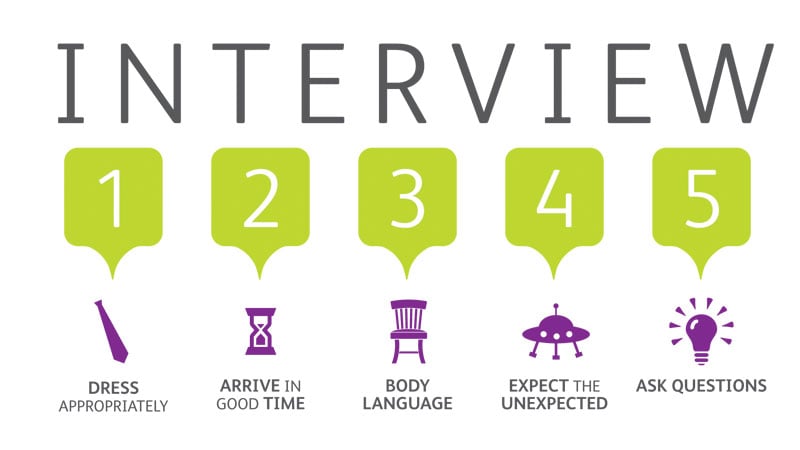
Practice good nonverbal communication

Image result for interview skills

Dress for the job or company

Listen

Don't talk too much

Don't be too familiar

Use appropriate language

Don't be cocky

Take care to answer the questions

Ask questions

Don't appear desperate

source:http://www.monster.com/career-advice/article/boost-your-interview-iq 

Wednesday, 5 October 2016

The world’s largest CRO and one of the biggest healthcare data and consultancy firms have become one major $19 billion 50,000-strong company this week as QuintilesIMS comes into life.
Announced with some surprise to the market back in May, the deal sees NC-based Quintiles merge with Danbury-headquartered IMS Health, although the union is not one of exact equals, as IMS owns slightly more of the combined shares of the new company than Quintiles does.
On top of this, the dual chair and CEO is taken by Ari Bousbib, who was the chief of IMS Health before the merger.
Image result for quintiles IMS
But the ticker symbol $Q, previously used just for Quintiles, has become the new co’s ticker, and Quintiles has been allowed to go first in the naming stakes.
The company said that shares of IMS Health were halted from trading this week on the NYSE as it trades under the new entity.
QuintilesIMS has launched with a new website and corporate video as it looks to consolidate and explain its new company after the markets reacted fairly negatively to the merger when first announced.
The new company merges the real-world clinical applications of Quintiles’ business with IMS Health’s data gathering and analysis, as well as its access to patient, prescription and other key healthcare data, giving the new company a pool of information for drugmakers.
It will also likely encroach deeply into the offerings of Quintiles' main big CRO, North Carolina rivals, which have also been looking to expand into consultancy, digital and analytics in recent years.

source:http://www.fiercebiotech.com/biotech/megamerger-finalized-as-quintilesims-born

Tuesday, 4 October 2016

Clinical Data Management (CDM) is a critical phase in clinical research, which leads to generation of high-quality, reliable, and statistically sound data from clinical trials. This helps to produce a drastic reduction in time from drug development to marketing. Team members of CDM are actively involved in all stages of clinical trial right from inception to completion. They should have adequate process knowledge that helps maintain the quality standards of CDM processes. Various procedures in CDM including Case Report Form (CRF) designing, CRF annotation, database designing, data-entry, data validation, discrepancy management, medical coding, data extraction, and database locking are assessed for quality at regular intervals during a trial. In the present scenario, there is an increased demand to improve the CDM standards to meet the regulatory requirements and stay ahead of the competition by means of faster commercialization of product. With the implementation of regulatory compliant data management tools, CDM team can meet these demands. Additionally, it is becoming mandatory for companies to submit the data electronically. CDM professionals should meet appropriate expectations and set standards for data quality and also have a drive to adapt to the rapidly changing technology. This article highlights the processes involved and provides the reader an overview of the tools and standards adopted as well as the roles and responsibilities in CDM.

Image result for clinical data management
Clinical trial is intended to find answers to the research question by means of generating data for proving or disproving a hypothesis. The quality of data generated plays an important role in the outcome of the study. Often research students ask the question, “what is Clinical Data Management (CDM) and what is its significance?” Clinical data management is a relevant and important part of a clinical trial. All researchers try their hands on CDM activities during their research work, knowingly or unknowingly. Without identifying the technical phases, we undertake some of the processes involved in CDM during our research work. This article highlights the processes involved in CDM and gives the reader an overview of how data is managed in clinical trials.

source:https://www.ncbi.nlm.nih.gov/pmc/articles/PMC3326906/

Monday, 26 September 2016

Hard work is the building block for the smart work.
To do smart work one should have sound knowledge of the subject. This knowledge can be achieved only through hard work.
I believe that hard work is always productive – perhaps not in a short run. Rewards come to you when you are not looking for them continuously. When you step out to work with a passion to do your best, you will bring out the best in the others as well! That itself is a great reward.
 The most important question you should ask at this place is what kind of work will take you to that level: is it hard work or smart work.

For

  1. Smart work is really the need of the hour.
  2. Smart work saves lots of time and allows you to be more organized.
  3. Through smart work your goals can be reached faster.
  4. Doing smart work allows you to save time for other things which you might not get by doing hard work like, exercise, spending time with family etc.
  5. Smart work brings lots of recognition from the society and allows you to grow more in the industry you are in.
Image result for smart work Vs Hard work

Against

  1. Hard work takes lots of time just to make things correct.
  2. It is totally time consuming and exhausting experience, as after doing lots of work you left out with less energy to do anything else.
  3. Hard work doesn't allow you to fully use your brain and it pushes you for more physical work.
  4. In terms of determination and persistence hard work is really important but not lot can be achieved.
  5. Working hard is not enough as it might not bring the best result of a problem or a situation.

source:https://www.quora.com/What-is-more-important-hard-work-or-smart-work

What Are Your Strengths and Weaknesses?

At first, it might seem like a ridiculous question, but the strategy behind asking it is actually brilliant.  The interviewer is intentionally trying to get you to answer a question that is designed to trip you up. 
Do you notice how this question is essentially in two parts?
No?
Don’t worry, we’ve got some strategies to help you turn a potential stumbling block into a launching pad of awesome!
Before we get into your strengths, let’s take a moment to talk about your weaknesses.

Image result for strength and weakness

What is Your Greatest Weakness?

As we mentioned above, when asking about your strengths a hiring manager will often also want to try and learn about your weaknesses.
In reality, it is pretty rare for a hiring manager to ask you them together as one question, but you still need to be prepared in case this question comes up.

Generally speaking, you should prepare for these questions separately, because each of them have unique characteristics and should be handled on their own. However, these two questions will often be asked in a row and are obviously connected so you need to prepare both!

source:http://theinterviewguys.com/what-are-your-strengths-and-weaknesses-example-answers-included/

Friday, 23 September 2016

Almost all companies organise aptitude tests when recruiting for open job positions, especially at the entry-level. These tests are designed to assess candidates for various skills and capacities, such as behavioral skills, language skills, problem solving skills, critical reasoning capacity, and many others, with a view to weeding out unfit candidates. Typically, the tests are administered under exam conditions.
Image result for aptitude test
So, if you're looking to take up a graduate position in a company, bear in mind that you will most likely have to write an aptitude test, which is usually in a multiple-choice format. Your performance during this test will determine whether you will be invited for the next phase of the recruitment process, which is usually the interview. So, it is crucial that you pass this test to have any chances of getting that desired job.
Below, I share some helpful tips in acing those job tests:
Preparing for the test
As with any other exam, there are no shortcuts to passing a recruitment aptitude test. If you really want to get a high score, you must prepare hard. Most of the time, you'll be notified of the test one or two weeks in advance. Although that time frame might seem too short for you to prepare, it should be enough if you're systematic.
Find out question format
Your first step is to find out the types of questions to expect in the test. From questions on verbal and numeric ability to those on fault diagnosis and abstract reasoning, different types of questions are presented at aptitude tests, so you need to know what to prepare for. A good way to do this is to consult search engines like Google. If the company whose test you’re preparing for is XYZ Consulting, for instance, use search engine term like “XYZ Consulting question format”, and you are most likely going to be directed to a career website or discussion forum where such had been discussed. If it is a less-known company, and its test may not have been discussed on the internet before, you may try speaking with someone that had done the test in the past. Try calling several friends and ask whether they have an idea on how the job test of the company looks like.
Practice test questions
After getting hints on the test type of the company, find practice test questions similar to the ones you're expecting, and solve as many of them as possible. During your practice, figure out your weak areas and try to improve on them. The more you practice, the higher your chances of scoring are.
Don’t assume
When preparing for an aptitude test, don't ever make any assumptions. For example, don't assume that the numerical reasoning test would be a walk in the park simply because you had an A grade in math in college. Practice every type of question you expect to face during the test!
Taking the test
Passing recruitment aptitude tests requires a great deal of smartness. So, you need to work smartly, quickly and accurately throughout the test.
Equip yourself
When going for the exam, equip yourself with everything you will need, such as your watch, writing materials (pen, pencil, etc. as requested), and calculator - one that you're familiar with and understand how to use.
Read the instructions well
Before you start attempting any questions, be sure to read over the instructions two to three times. Overlooking or misinterpreting instructions will affect your score badly, so always take your time to understand them.
Be fast, with care
Once you start attempting the questions, work as fast as possible without being careless. Recruitment aptitude tests are usually strictly timed, and a typical test allows you to spend just 30 to 60 seconds on a question. In fact, the major goal of aptitude test is to know how fast a prospective employee can think.
Whenever you come across a difficult question, don't waste your time on it. Move on to other questions and come back to it later, if you can. It is good to answer all the questions, but you don’t need to answer all the questions to pass.
Beware of poisonous “low-hanging fruits”
If the questions are in a multiple-choice format, you need to be extra careful. Many test questions are actually straightforward. However, some only appear so and the solutions are not usually as straightforward as they seem. Such questions are often designed to confuse you, with incorrect options that include common mistakes that candidates make.
Answer as many questions as you can. Even if you cannot answer everything - which will most likely be the case - don't get frustrated. The most important thing is to correctly answer the ones you can. Where there is no rule against it, I personally advise guessing the right choice for tough questions rather than spend more time on them, but this should be done only in the last three minutes of the test.

Recruitment aptitude tests are usually tough, and have been the bane of many job seekers. However, I believe the tips shared here can make a difference in crossing that hurdle.


source:http://www.10minuteswith.com/blog/how-pass-recruitment-aptitude-test

Saturday, 17 September 2016

Image result for pharma VS Biotech

Saturday, 10 September 2016

Image result for boss vs leader

Wednesday, 31 August 2016

Practice Tips and Activities
Image result for tips in interview

1. There are a number of different interview settings you may encounter and it's essential to see and know how to respond in every scenario. Do one interview with a friend or colleague, where you speak to this one individual. Then answer the questions in front of five to 10 friends or colleagues. And finally, answer the same questions speaking straight to the camera. Notice how each can take on a different tone, but try to keep up the trust and likeability you portray in each scenario.

2. No matter what the interview, the most common question is in reference to you and your personal traits. Practice describing yourself with language and tones that come across as confident but not cocky. Make sure you know your strengths and key characteristics you'd like your audience to know about you. Lastly, ask the practice interviewer if he or she thought your answer was believable.

3. Ask a friend to put three random topics in a hat. Pull one out at a time and practice your impromptu responses. Have the friend include one question in which you might not know the answer. It's better to rehearse how you'll handle an answer you don't know before you are in a critical interview.

4. Watch a taped interview of a polished interviewee and pause the video before they give their responses to the questions. Try your hand at the answers and see how your responses differ from the actual subject. Look for differences in dialogue, eye contact, body language and expressions.

5. Your body language can often tell more to your audience than your words do. Take one of your practice videos and watch it through with the volume turned off. See what your expressions and body language is portraying to the public. Ask a friend or colleague to watch the muted video as well and see if they can interpret the mood and impressions of your interview. Try playing around with different facial and body expressions in your next test interview from the feedback you receive.

6. Interviews can come in varying lengths and it's good to have experience knowing how to draw out an answer and how to edit it down to the key points. Ask a friend to come up with three different questions. First answer each question within a 30-second period. Then give yourself 60 seconds. And finally, give yourself two minutes to answer the same questions. Make sure the shortest answer doesn't exclude your most important points and make sure that your longest answer doesn't detract from the main topic.

7. In many interviews, you can't control what the interviewer is going to ask you, but you often have an agenda you want to accomplish or a point you want to make. Have a friend ask you an obscure question and try to work in a natural sounding transition to incorporate the point you want to make. Politicians are experts at this. Watch a few of their interviews to see how they always work an answer in the direction they want it.

8. Try being the interviewer and ask someone else the questions. It often helps to be on the other side of the microphone. It gives us a new perspective on how to answer questions.

9. Start putting in the numbers. As previously stated, nothing replaces practice and experience. Contact a local school, organization, radio station or TV station and ask them if you can perform a question-and-answer session. There is a different pressure when you answer questions for a stranger than when you answer for a friend or close colleague. The more interviews or Q&A's you can do, the better off you'll be.

10. Have fun! Even when you practice, put a smile on and try to focus on the positive aspects of your answers so you always portray an affable demeanor. Your good mood can influence others so keep the positive energy coming.
Interviews can be extremely important and can be quite influential in the outcome of your career. Knowing how important an interview can be, isn't it worth putting in the time to perfect your skills? Your interest in the improvement shows you are already halfway there.  
www.CareerBiotech.com. Powered by Blogger.